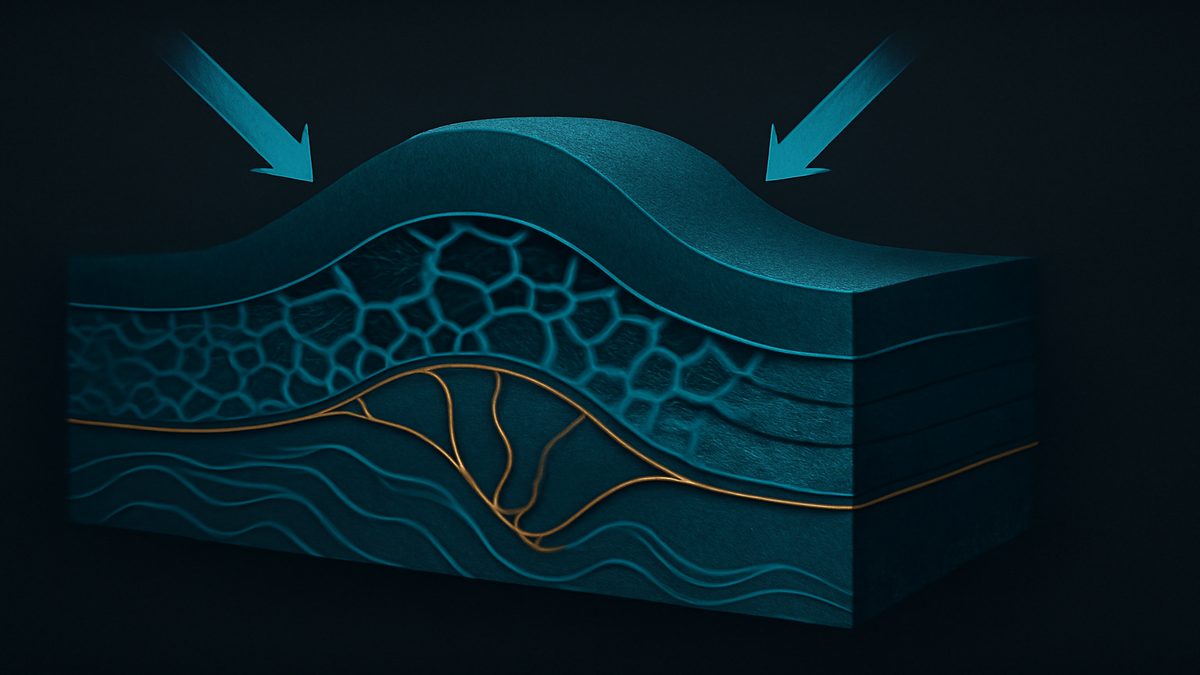
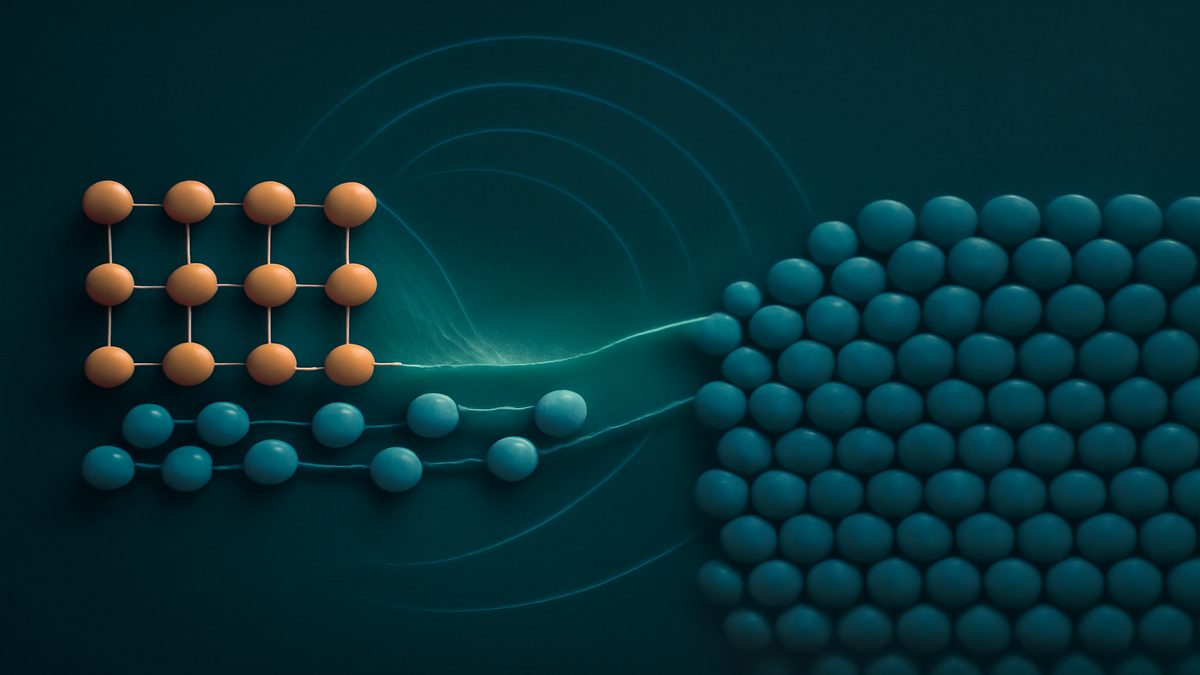
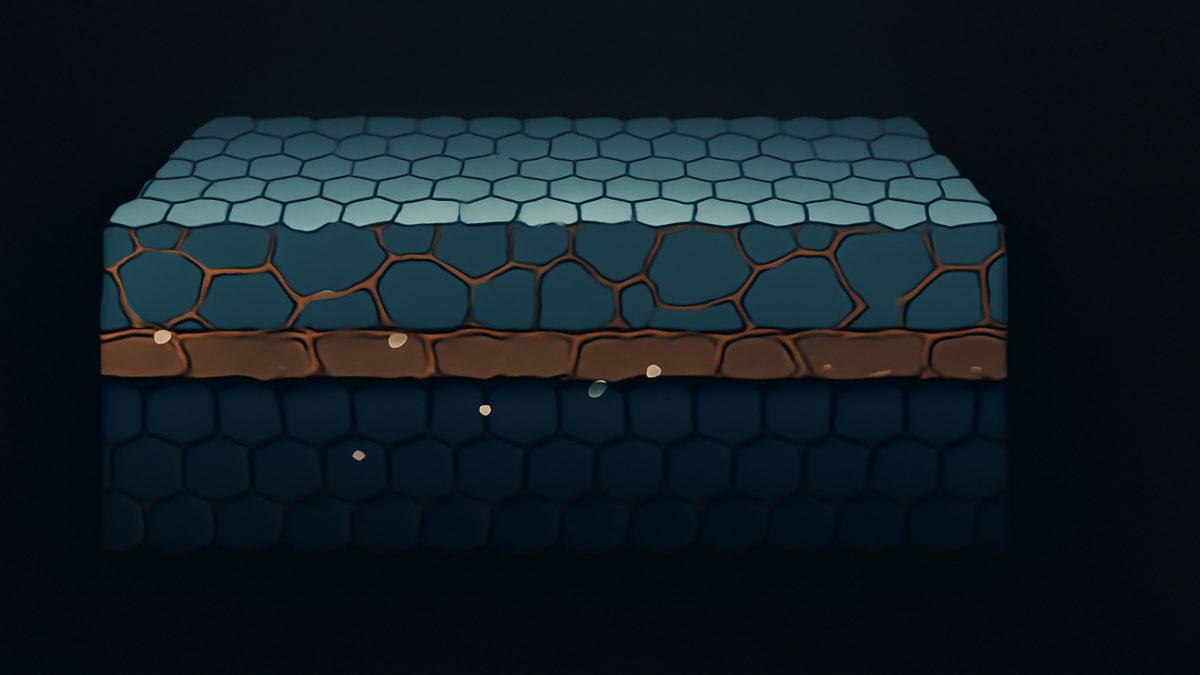
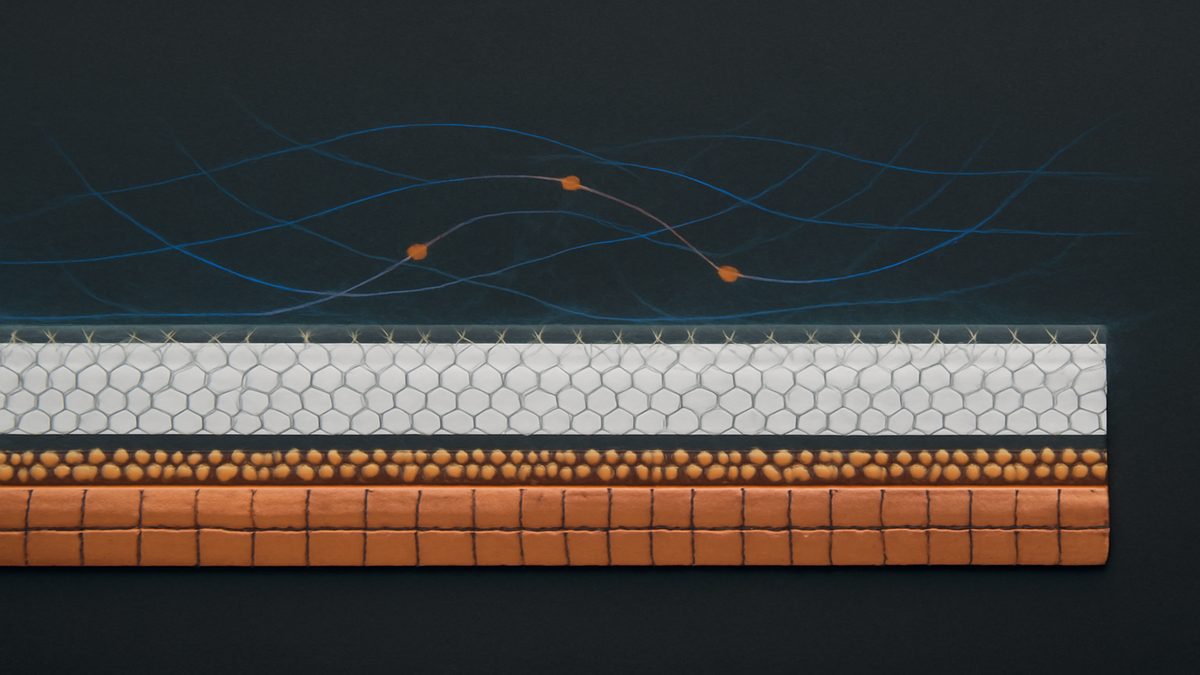
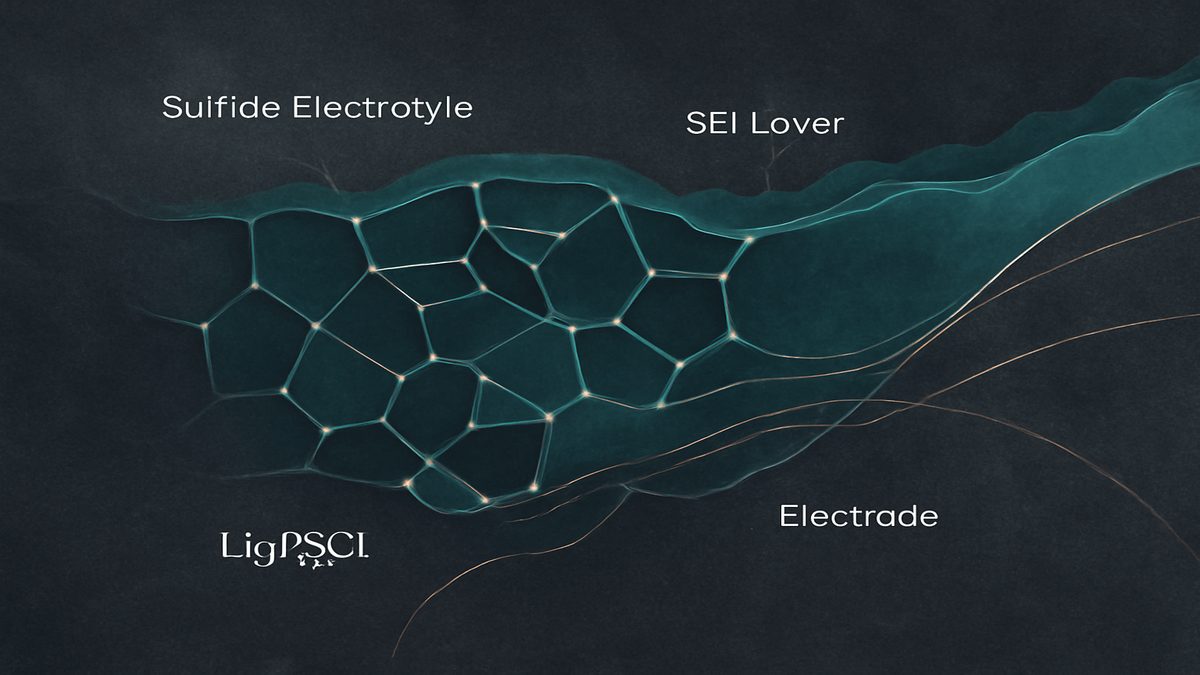
Interphase structure and interfacial degradation set the practical limits on transport, stability and manufacturability across liquid, gel and solid systems this week.
Machine-learning analysis of interphase atomic features now connects nanometer-scale variations directly to macroscopic lithium-ion transport rates, while separate studies on sulfide films, graphite SEI additives and high-temperature nanocoatings show that solvation, surface reconstruction and mechanical contact remain coupled constraints rather than independent variables. Sodium-ion work on hard-carbon microstructures and thick electrodes further illustrates that interface stability, not headline capacity, determines whether cell-level gains survive realistic loadings and cycling windows. The common experimental gap is the absence of combined stack-pressure, temperature and post-mortem data that would test whether the reported mechanisms persist under cell-relevant conditions.
...