Interphase Brief - Week 41, 2026
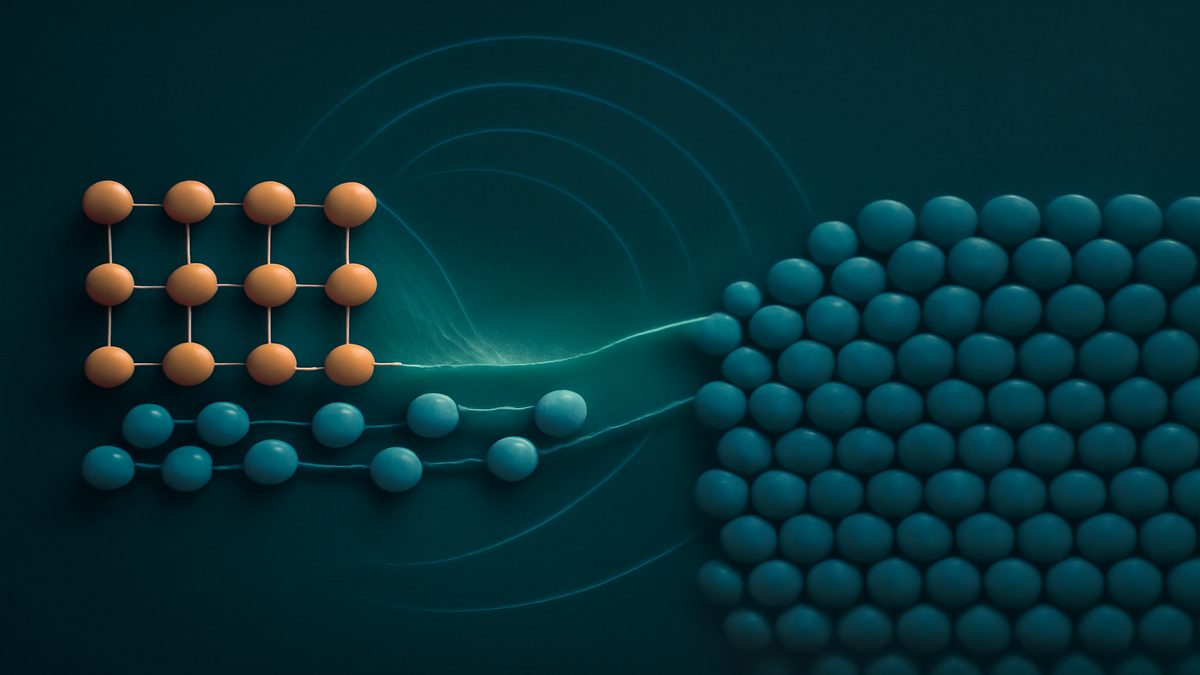
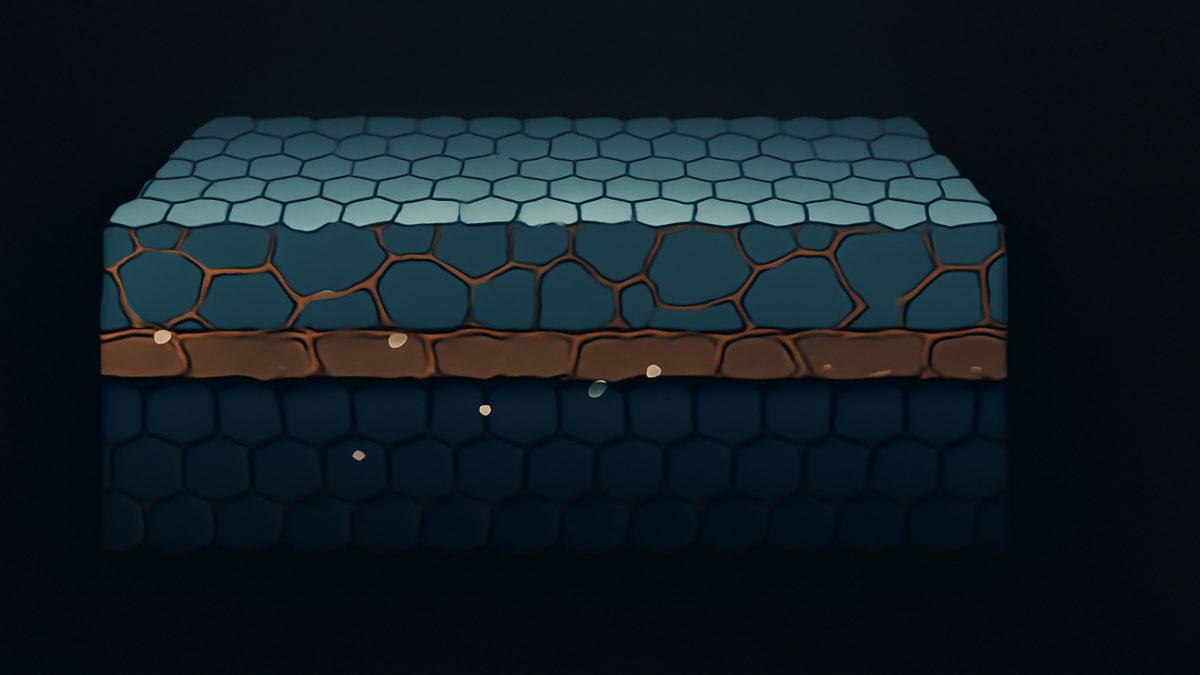
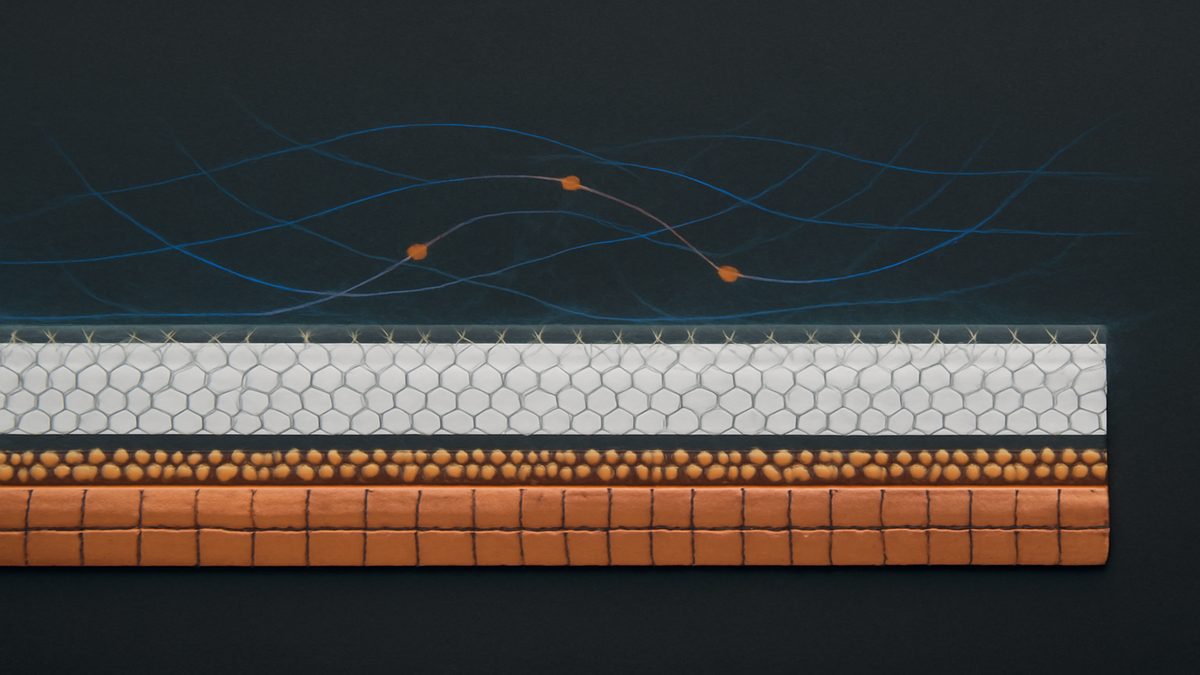
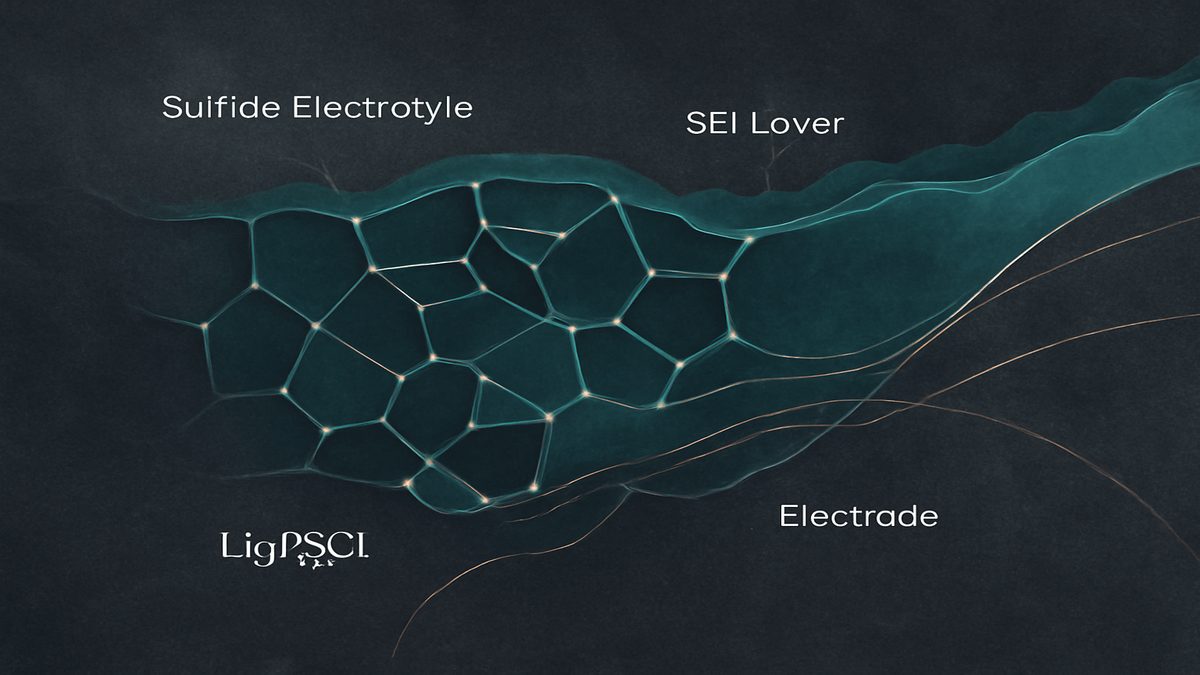
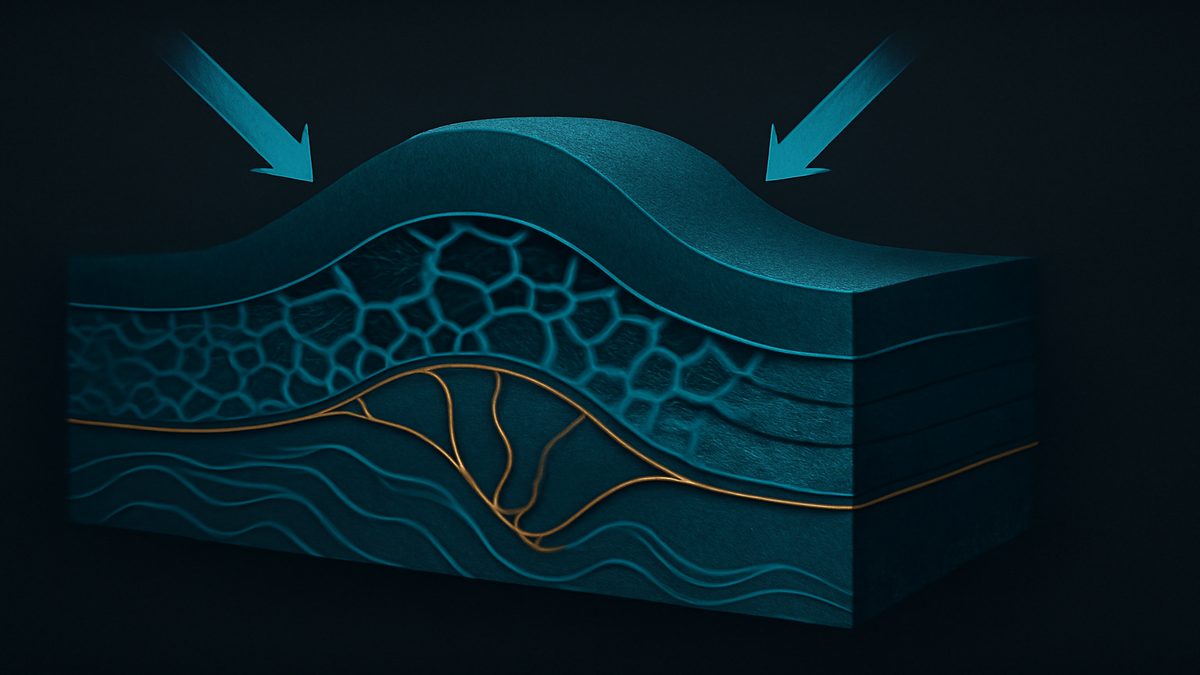
Electrolyte interphases under combined mechanical and chemical stress: composite layers, coatings, and additives are examined for their ability to manage contact, shuttle, and SEI porosity across Li-S and solid-state systems. Solid-state and lithium-sulfur cells share a recurring constraint: local current constriction and species crossover degrade performance long before bulk conductivity limits are reached. Recent work on layered composite electrolytes shows that stress distribution across interfaces can reduce void formation at the lithium-metal boundary, yet the measurements remain tied to specific stack pressures and cycling windows that are rarely reported in full. In parallel, thin ceramic coatings on polymer separators target polysulfide retention in Li-S cells, but the mechanical integrity of the coating under repeated flexure or volume change is still an open variable. ...