Interphase Brief - Week 31, 2026

Interphase Brief - Week 31, 2026

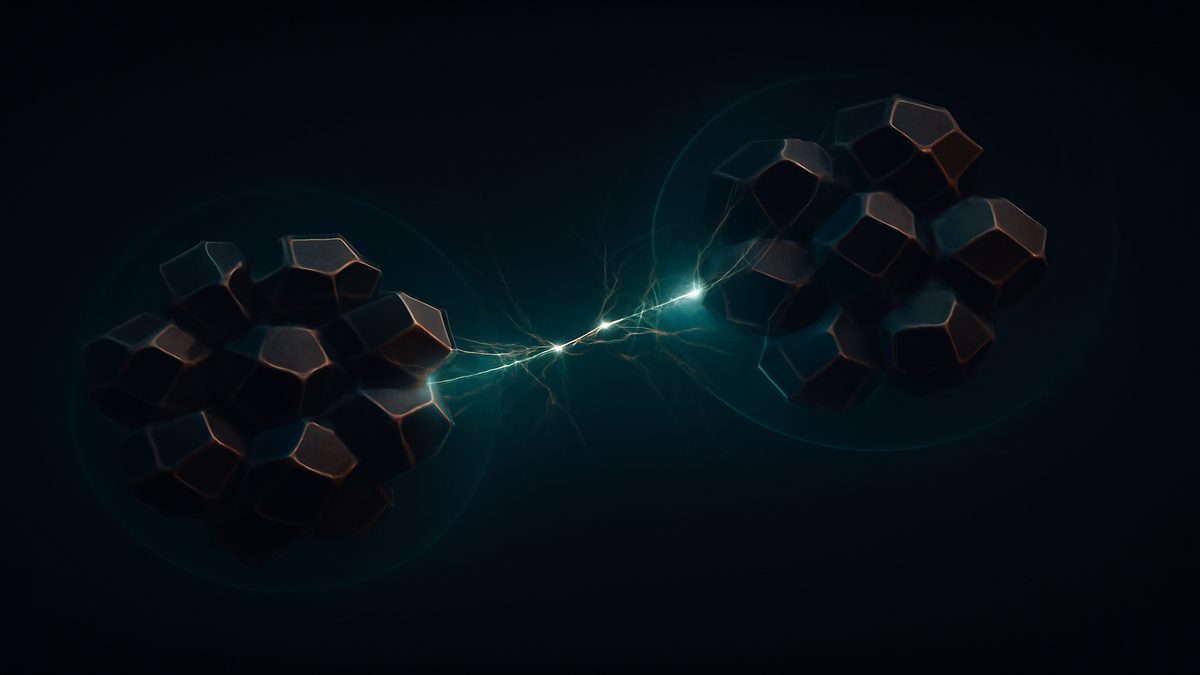
Solid-state and quasi-solid electrolytes are being evaluated through the lens of interfacial stability, where composition tuning, coatings, and dynamic interfaces are tested against space-charge layers, moisture sensitivity, and contact loss rather than bulk conductivity alone. The arXiv preprint on Li6+xSixSb1-xS5I argyrodites starts from the known limits of iodide-based sulfides: space-charge layers at the cathode interface, slow ion transport across grain boundaries, and susceptibility to lithium penetration. The work reports a ball-milled Li6.6Si0.6Sb0.4S5I composition that aims to raise room-temperature conductivity while widening the electrochemical window. Whether the measured gains survive full-cell stack pressure, repeated plating, and post-mortem analysis of the space-charge region remains the decisive test. ...

July 27, 2026 · 5 min · Interphase Brief
Interphase Brief - Week 30, 2026

Interphase Brief - Week 30, 2026

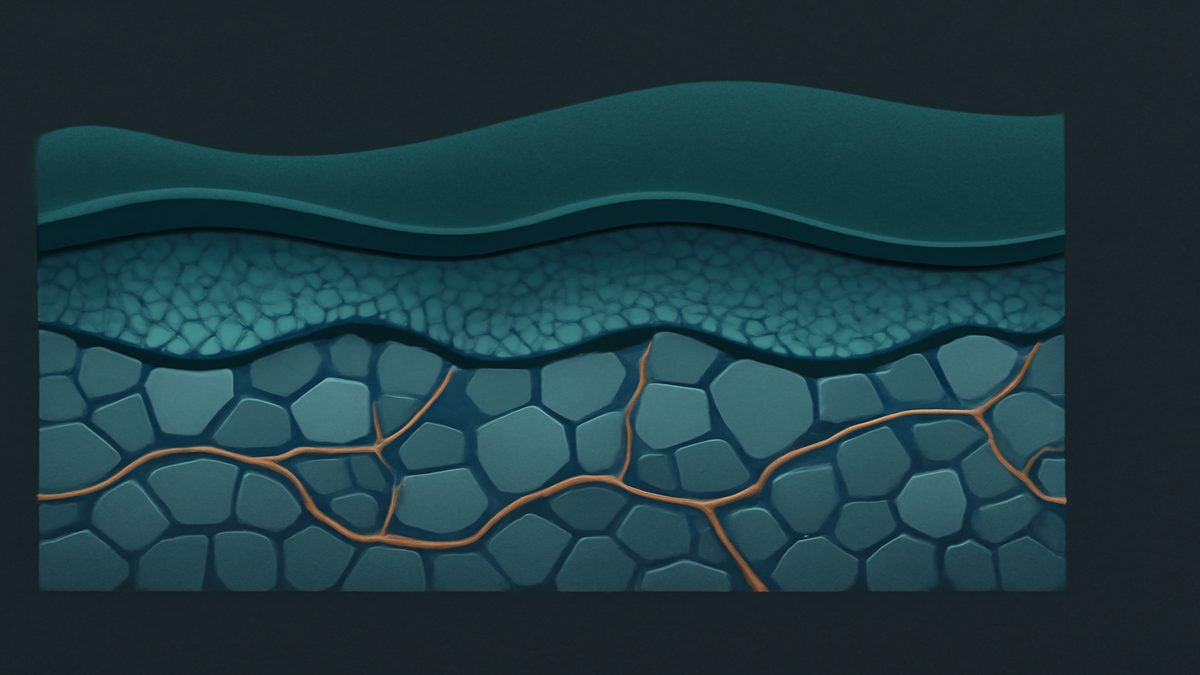
Spray deposition of compositional gradients and immobilized gel electrolytes is being examined as a route to couple ion-transport pathways with interphase stability in silicon, lithium-sulfur, and solid-state cells. Homogeneous slurry casting often produces uniform porosity and composition that cannot simultaneously optimize electron and ion pathways, leading to localized lithium depletion during fast charge. Ultrasonic spray methods now allow deliberate placement of porosity near the separator and carbon enrichment near the current collector, directly addressing the transport asymmetry that accelerates degradation. Parallel work on UV-cured gel films deposited in the same manner replaces free liquid with a thin, pinhole-free polymer layer that can be formed directly on the graded electrode. These approaches shift the design problem from bulk electrolyte properties toward controlled spatial variation of both microstructure and interphase chemistry. ...

July 20, 2026 · 5 min · Interphase Brief
Interphase Brief - Week 29, 2026

Interphase Brief - Week 29, 2026

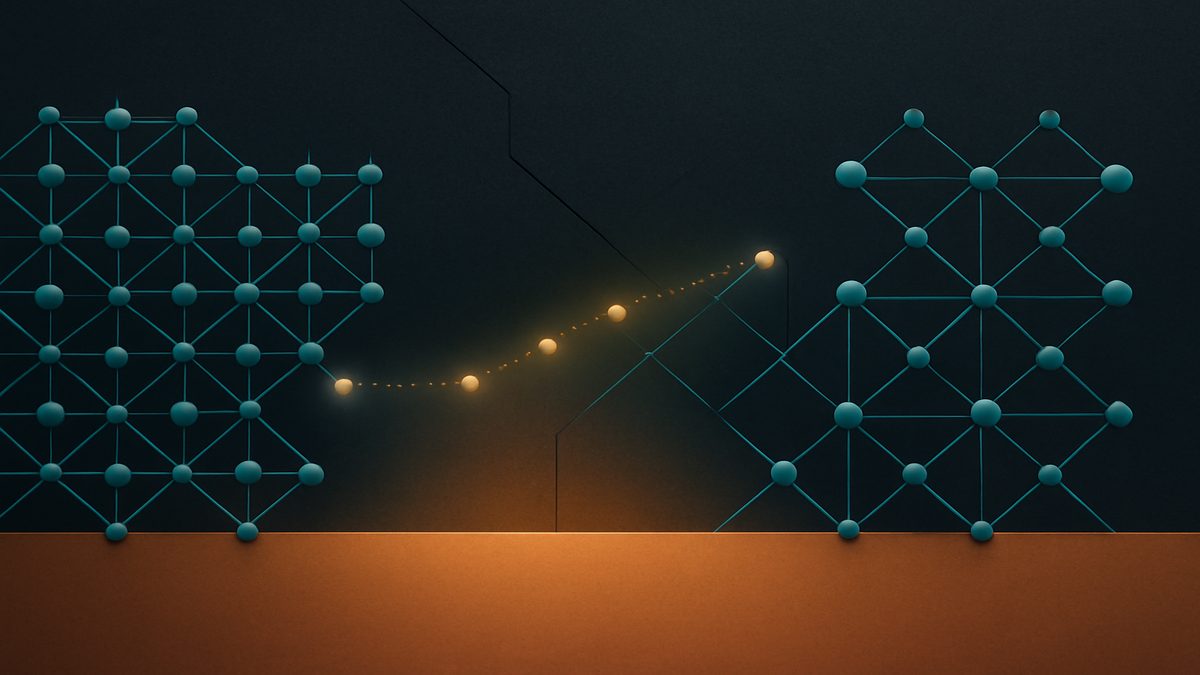
Grain boundaries and solid-solid interfaces, rather than bulk conductivity, set the practical limits on dendrite formation, lithiation uniformity, and interphase stability in solid-state and high-voltage systems. Solid-state electrolytes were expected to eliminate liquid-related safety risks while supporting higher energy density. In practice, lithium filaments still appear at internal boundaries where two grains of electrolyte meet. The MIT study isolates these grain boundaries as nucleation sites because they locally alter the electric field and provide fast diffusion paths that concentrate lithium. This shifts attention from electrode-electrolyte contact alone to the polycrystalline microstructure itself. ...

July 13, 2026 · 5 min · Interphase Brief
Interphase Brief - Week 28, 2026

Interphase Brief - Week 28, 2026

Grain-boundary charge and local mechanical stress now emerge as coupled controls on dendrite initiation and short-circuit endurance in garnet-type solid electrolytes. Solid-state batteries continue to show dendrite-driven failures even when bulk ionic conductivity meets targets. Recent work isolates the electrolyte grain boundaries themselves as the sites where lithium filaments first nucleate, rather than the electrode-electrolyte interface alone. The MIT study traces dendrite seeding to the two-grain junctions where local chemistry and transport differ from the grain interior. Two Nature papers add that these boundaries carry net charge and that applied biaxial stress alters the trajectory of any growing filament. Together the results shift attention from maximizing conductivity to controlling boundary potential and stress state during processing and cycling. ...

July 6, 2026 · 5 min · Interphase Brief