Interphase Brief - Week 41, 2026

Interphase Brief - Week 41, 2026

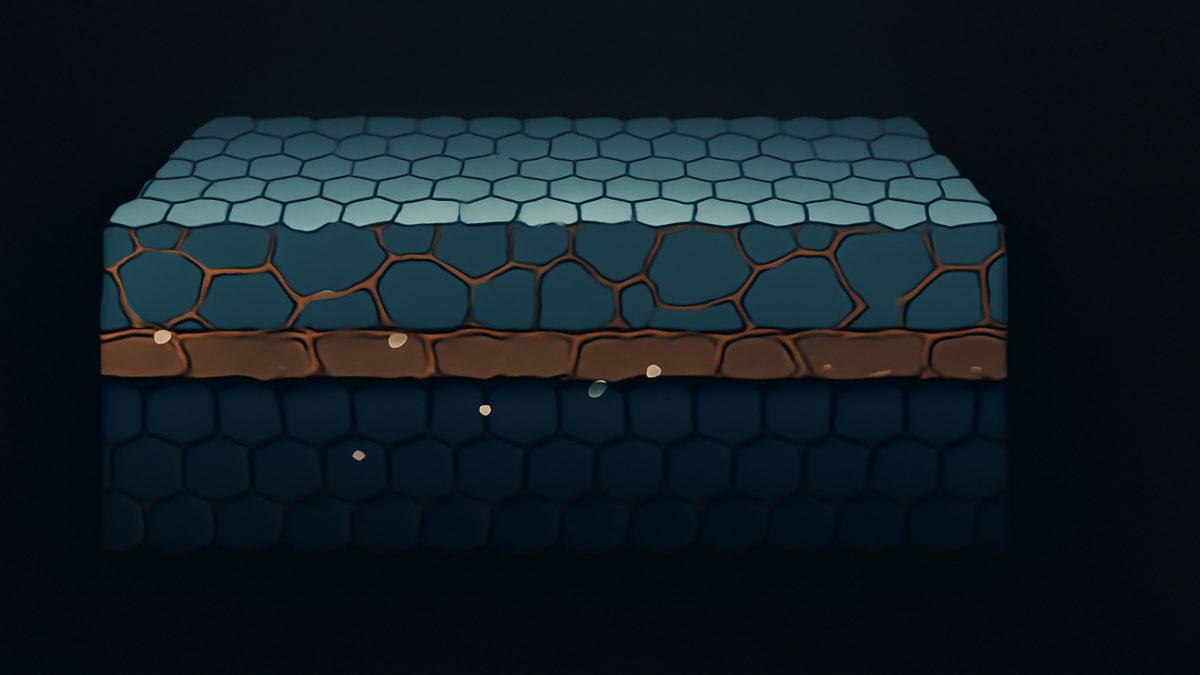
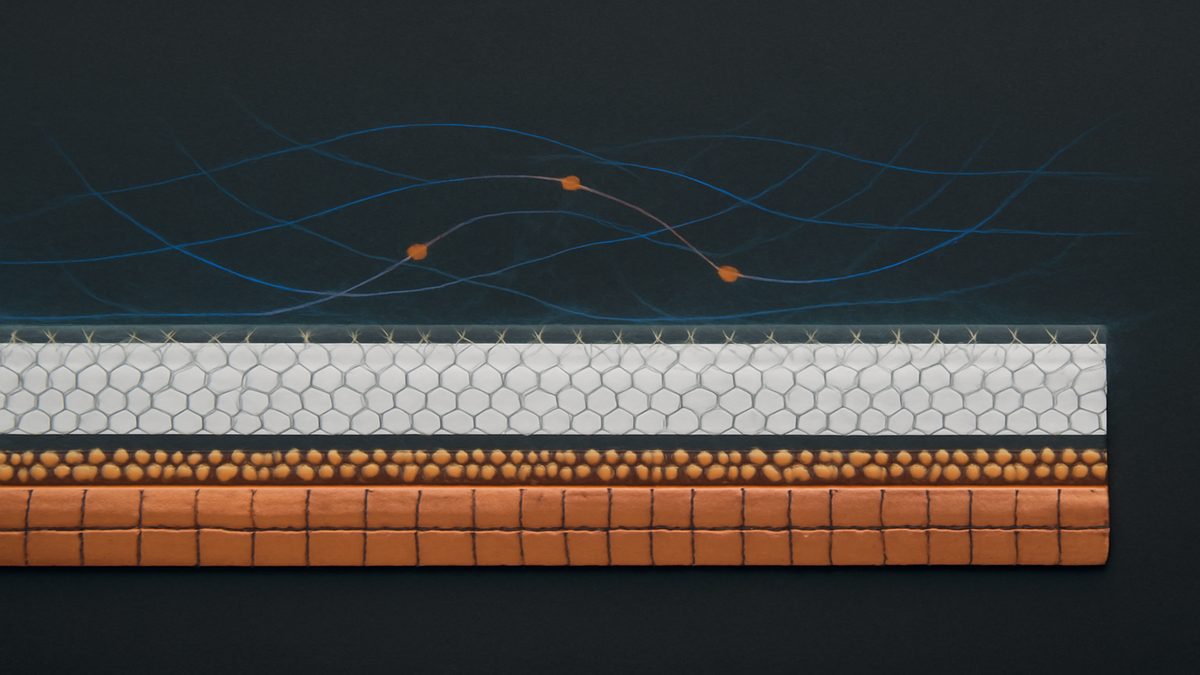
Electrolyte interphases under combined mechanical and chemical stress: composite layers, coatings, and additives are examined for their ability to manage contact, shuttle, and SEI porosity across Li-S and solid-state systems. Solid-state and lithium-sulfur cells share a recurring constraint: local current constriction and species crossover degrade performance long before bulk conductivity limits are reached. Recent work on layered composite electrolytes shows that stress distribution across interfaces can reduce void formation at the lithium-metal boundary, yet the measurements remain tied to specific stack pressures and cycling windows that are rarely reported in full. In parallel, thin ceramic coatings on polymer separators target polysulfide retention in Li-S cells, but the mechanical integrity of the coating under repeated flexure or volume change is still an open variable. ...

October 5, 2026 · 6 min · Interphase Brief
Interphase Brief - Week 40, 2026

Interphase Brief - Week 40, 2026

Interfacial ion transport and electronic leakage remain coupled constraints on fast charging and stability across liquid and solid electrolytes. Operando measurements at the cathode surface now capture solvent and anion behavior under bias, while polymer and inorganic solid electrolytes show that shuttle carriers and residual electronic conductivity can dominate both rate capability and self-discharge. Graphite anodes continue to reveal that desolvation kinetics, rather than bulk diffusion alone, decide whether co-intercalation occurs. These observations converge on a practical limit: transport improvements at one interface frequently shift the failure mode to another. ...

September 28, 2026 · 5 min · Interphase Brief
Interphase Brief - Week 39, 2026

Interphase Brief - Week 39, 2026

Interfacial microstructure, dielectric response and electronic leakage together set the practical limits on solid-state cell operation. Solid-state batteries continue to expose the gap between bulk electrolyte conductivity and the coupled transport, mechanical and leakage processes that occur at electrode-electrolyte boundaries. Recent modeling and electrolyte studies show that impedance spectra cannot be interpreted without explicit microstructure, that dielectric screening directly influences Li+ mobility, and that even modest electronic conductivity in the solid electrolyte produces measurable self-discharge. These observations shift attention from headline conductivity values to the spatial distribution of current, the chemical stability of interfaces and the electronic properties of the separator layer itself. ...

September 21, 2026 · 6 min · Interphase Brief
Interphase Brief - Week 38, 2026

Interphase Brief - Week 38, 2026

Interphase structure and interfacial degradation set the practical limits on transport, stability and manufacturability across liquid, gel and solid systems this week. Machine-learning analysis of interphase atomic features now connects nanometer-scale variations directly to macroscopic lithium-ion transport rates, while separate studies on sulfide films, graphite SEI additives and high-temperature nanocoatings show that solvation, surface reconstruction and mechanical contact remain coupled constraints rather than independent variables. Sodium-ion work on hard-carbon microstructures and thick electrodes further illustrates that interface stability, not headline capacity, determines whether cell-level gains survive realistic loadings and cycling windows. The common experimental gap is the absence of combined stack-pressure, temperature and post-mortem data that would test whether the reported mechanisms persist under cell-relevant conditions. ...

September 14, 2026 · 5 min · Interphase Brief
Interphase Brief - Week 37, 2026

Interphase Brief - Week 37, 2026

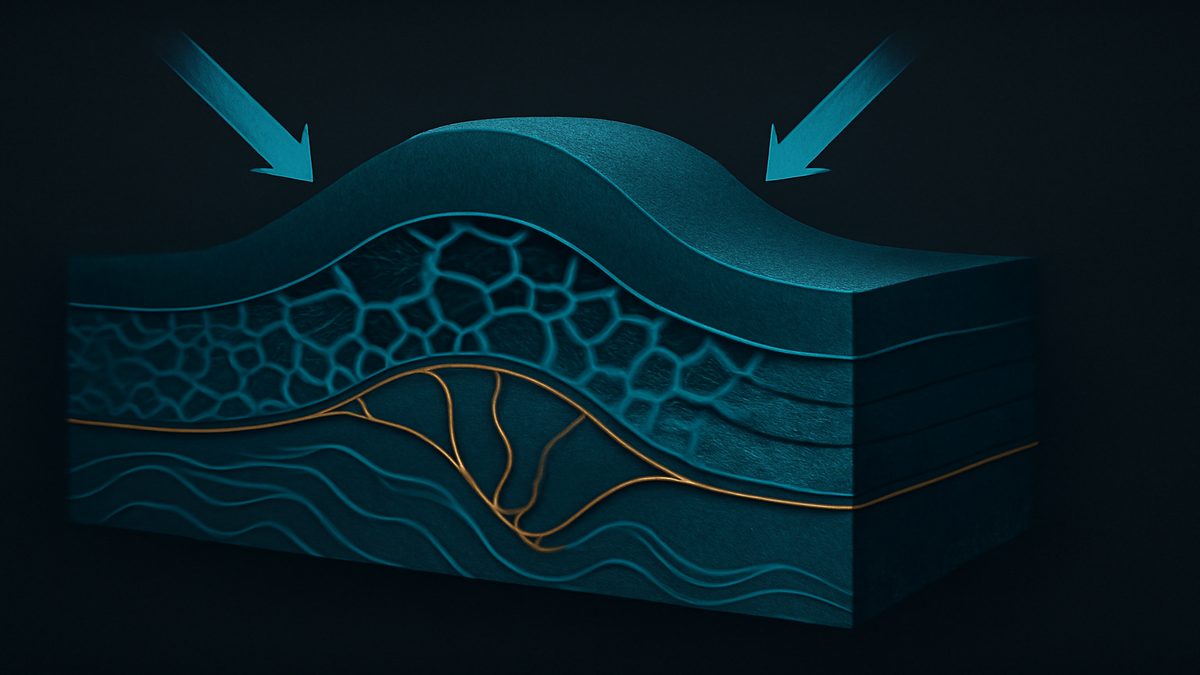
Interfacial pressure, lateral conductivity and anion dynamics jointly set the stability of metal-electrolyte contacts rather than acting as independent levers. Stack pressure is routinely applied in all-solid-state cells to maintain contact, yet its chemical consequences at reactive interfaces remain poorly quantified. Recent modeling shows that modest compression can accelerate decomposition pathways while higher loads suppress long-range ordering, indicating that the same variable can either promote or inhibit interphase growth depending on magnitude and geometry. Parallel work on aqueous zinc systems demonstrates that an ultrathin conductive mesh can redistribute electrons laterally without blocking ion access, pointing to spatial control of the electric field as an additional design axis. These observations converge on a picture in which local mechanics, electron transport and anion motion must be treated together when interpreting cycle-induced changes at the electrode-electrolyte boundary. ...

September 7, 2026 · 5 min · Interphase Brief
Interphase Brief - Week 36, 2026

Interphase Brief - Week 36, 2026

Interfacial stability and electrode microstructure now determine whether lithium-metal and solid-state cells can move beyond laboratory cycling to measurable lifetime under realistic constraints. Lithium-metal cells continue to face coupled limits from dendrite growth, electrolyte decomposition and non-uniform interphase formation. A tri-layer electrolyte architecture is reported to address these simultaneously by separating mechanical, chemical and transport functions across distinct layers. The approach targets the root causes of capacity fade rather than attempting to optimize a single homogeneous electrolyte. ...

August 31, 2026 · 5 min · Interphase Brief
Interphase Brief - Week 35, 2026

Interphase Brief - Week 35, 2026

Electrolyte solvation, in-situ polymerization and functional coatings converge on interphase stability as the rate-limiting step for lithium-metal and solid-state cells. Gas evolution remains a persistent failure mode in lithium-metal cells even when ether solvents are chosen for their reductive stability. A recent study isolates solvent decomposition pathways at the lithium surface and shows that specific ether formulations reduce gas generation without eliminating it entirely. The work relies on quantitative gas analysis coupled to cycling, yet leaves open how the same electrolytes behave under stack pressure or in full cells with limited electrolyte volume. ...

August 24, 2026 · 6 min · Interphase Brief
Interphase Brief - Week 34, 2026

Interphase Brief - Week 34, 2026

Interphase heterogeneity, rather than bulk conductivity, now limits rate capability and reversibility across lithium-metal, sodium-ion and solid-state systems. Recent work on lithium negative electrodes shows that dual-additive formulations shift SEI composition toward inorganic-rich layers, yet the spatial distribution of those layers remains difficult to control. Operando spectroscopic ellipsometry on lithium-metal anodes reveals pronounced non-uniform passivation that develops within the first few cycles, directly affecting local current density. Parallel simulation efforts attempt to predict interphase chemistry from electrolyte composition, but still require experimental calibration of solvation and decomposition pathways. Sodium-ion studies add another dimension: scandium incorporation and multi-element nanoscale doping alter electrode durability, yet the link to cathode-electrolyte interphase stability is not yet quantified at the particle surface. These threads converge on the same practical constraint: without spatially resolved interphase data, electrolyte and additive design remain largely empirical. ...

August 17, 2026 · 6 min · Interphase Brief
Interphase Brief - Week 33, 2026

Interphase Brief - Week 33, 2026

Electrolyte solvation, interphase formation, and solid-electrolyte contact emerge as coupled limits on fast-charge stability and solid-state viability rather than independent optimization targets. Fast charging of lithium-ion cells repeatedly drives lithium plating when the anode-electrolyte interface cannot sustain the required lithium-ion flux without metallic deposition. The supplied reports examine whether changes in solvent coordination or additive behavior can shift the onset of plating by altering the local concentration gradient and the composition of the forming interphase. Parallel work on sodium-metal and zinc systems tests whether the same solvation and corrosion mechanisms appear once the alkali or divalent cation replaces lithium. In solid-state configurations, the question moves from solvent coordination to particle-to-particle contact and the mechanical integrity of the interface under stack pressure. ...

August 10, 2026 · 6 min · Interphase Brief
Interphase Brief - Week 32, 2026

Interphase Brief - Week 32, 2026

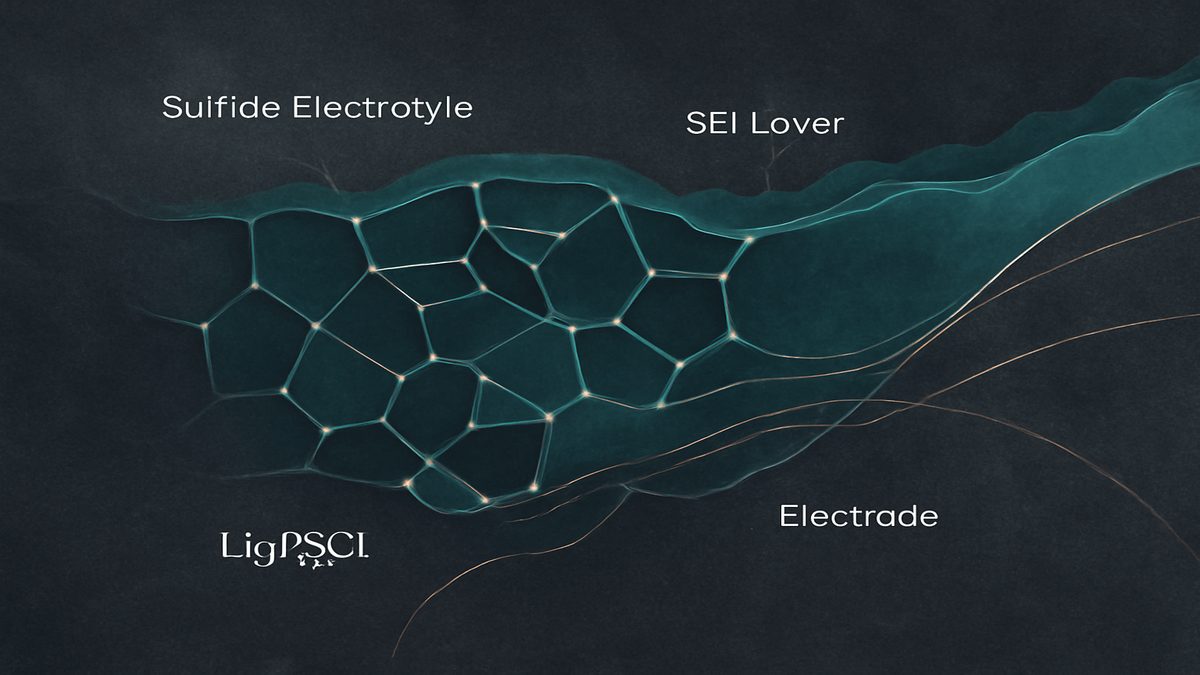
Interface stability under realistic exposure and cycling conditions remains the dominant constraint in solid-state systems, where moisture attack, mechanical ductility, and SEI growth kinetics must be treated as coupled variables rather than isolated material properties. The supplied reports this week converge on two practical questions. First, how does trace moisture under dry-room conditions alter the surface chemistry of sulfide electrolytes such as argyrodite Li6PS5Cl, and what spatial resolution is required to map the resulting degradation products? Second, whether existing models of SEI growth can be made to respect physical rate laws across varying protocols without overfitting to single datasets. ...

August 3, 2026 · 5 min · Interphase Brief